

In what could become one of the most consequential deals in the history of the global beverage alcohol industry, Pernod Ricard and Brown-Forman have confirmed they are in active discussions regarding a potential business combination.
While no agreement has been finalised, both companies have characterised the potential transaction as a “merger of equals”, a structure that underscores balanced governance and shared strategic control. The talks follow mounting speculation in financial markets and come at a time when global spirits players are recalibrating strategies amid slowing premiumisation, shifting consumer behaviour, and rising operational costs.
Pernod Ricard’s Formidable Portfolio
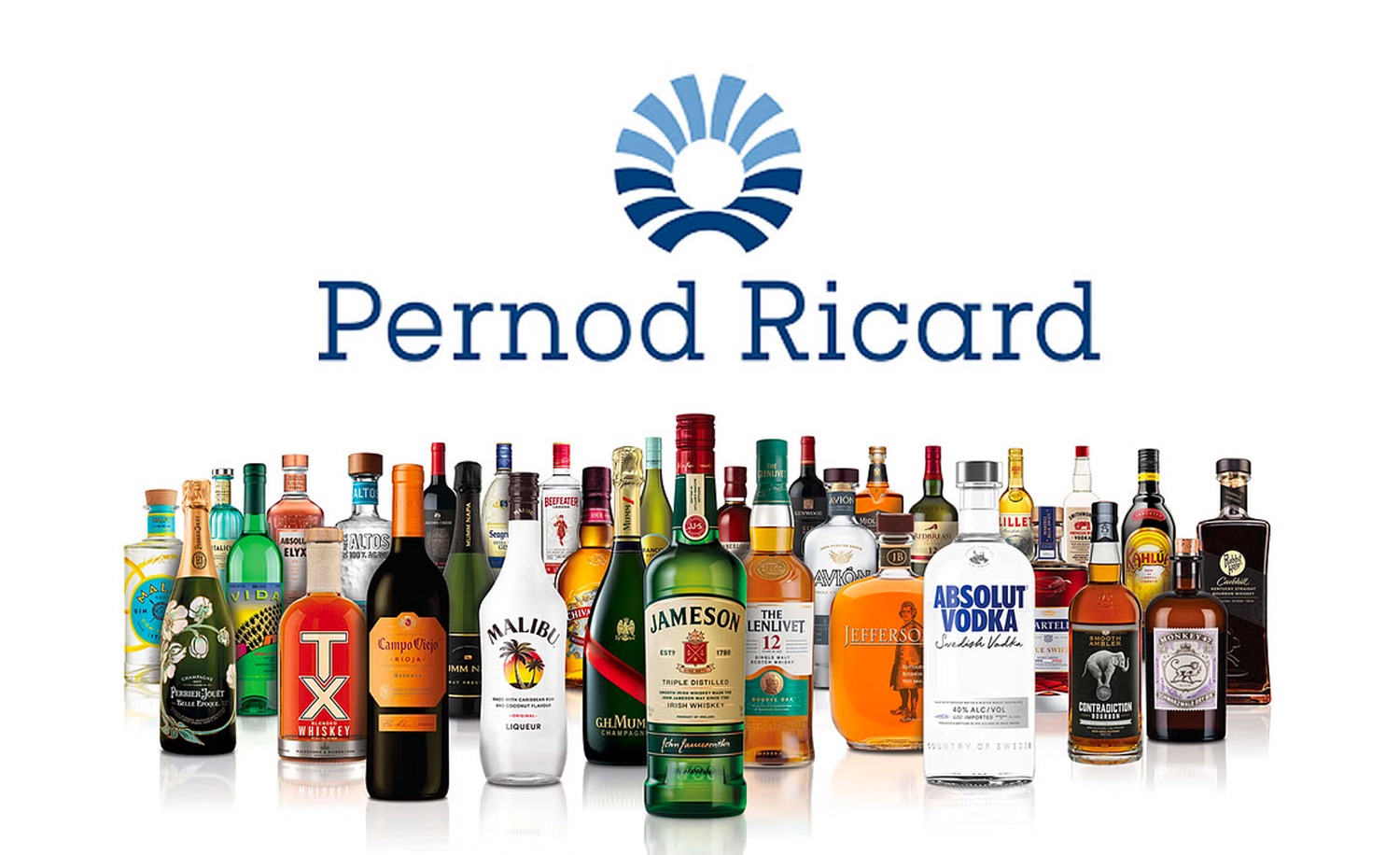
At the heart of the potential deal lies a compelling strategic fit. Pernod Ricard brings to the table a formidable portfolio spanning categories and geographies, including globally recognised brands such as Absolut Vodka, Jameson Irish Whiskey, Chivas Regal, The Glenlivet and Martell, supported by a deeply entrenched distribution network across emerging and mature markets alike.
Brown-Forman’s Jack Daniels and other solid brands
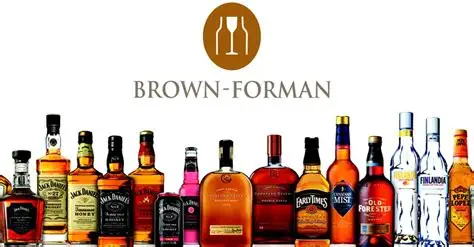
On the other hand, Brown-Forman contributes a portfolio anchored by the iconic Jack Daniel’s, alongside premium American whiskey labels such as Woodford Reserve and Old Forester, as well as a growing presence in Scotch through brands like The Glendronach and Benriach. The combination would effectively unite leadership positions across multiple high-value categories, Scotch, Irish whiskey, American whiskey, vodka, cognac, and rum, creating a portfolio with both depth and global appeal.
Pernod Ricard has emphasised the potential to leverage its global distribution strength, particularly in high-growth regions such as Asia and Africa, to further scale Brown-Forman’s brands. Brown-Forman’s stronghold in North America could provide a powerful platform for Pernod Ricard’s premium and luxury labels. This complementary dynamic between distribution muscle and brand equity is widely seen as one of the most compelling aspects of the proposed merger, with both companies pointing to “significant synergies” across supply chains, procurement, marketing, and route-to-market efficiencies.
Challenging Industry Leader, Diageo
Financially, the combined entity would operate at a scale capable of challenging industry leader Diageo, reshaping competitive dynamics across key markets. Pernod Ricard reported consolidated sales of approximately €10.96 billion in fiscal year 2025, while Brown-Forman maintains a presence in more than 170 countries with a workforce of around 5,000 employees. Together, they would form a transatlantic powerhouse with a balanced geographic footprint and enhanced resilience against regional market fluctuations.
The timing of the discussions is particularly noteworthy. The global spirits industry is navigating a period of recalibration, with consumers increasingly moderating alcohol consumption, especially in developed markets, while inflationary pressures and supply chain disruptions continue to impact margins. At the same time, emerging markets remain critical growth engines, demanding scale, agility, and strong distribution capabilities, factors that consolidation can help address. Against this backdrop, a merger of this scale offers a pathway to sustained growth, improved efficiency, and stronger pricing power.
However, significant hurdles remain. Any agreement would be subject to rigorous regulatory scrutiny across multiple jurisdictions, with antitrust authorities likely to examine market concentration in key categories such as whiskey and premium spirits. Integration risks also loom large, particularly in aligning corporate cultures, rationalising overlapping portfolios, and integrating complex global operations. Both companies have acknowledged these uncertainties, emphasising that no agreement has yet been reached and that there is no assurance discussions will result in a transaction.
For now, both Pernod Ricard and Brown-Forman have adopted a cautious stance, stating they do not intend to comment further until either a definitive agreement is signed or talks are terminated. Yet even at this exploratory stage, the potential combination has already captured the attention of the global drinks industry, not merely for its scale but for what it represents, a strategic pivot toward consolidation, capability-building, and long-term resilience in an increasingly complex and competitive landscape.